Best Face Masks for Skin Type: A Complete Guide
If you have ever slathered on a face mask that left you red, tight or breaking out the next day, the problem probably was not the mask itself — it was that it was not made for your skin.
Face masks are not one-size-fits-all. A clay mask that clears up oily skin can leave dry skin feeling like paper. A rich, creamy mask that dry skin drinks up can clog an oily T-zone within an hour.
This guide helps you choose the right face mask for your skin type. You will learn which ingredients to look for, which ones to avoid and how often to use a mask for the best results.
We will also share current deals on popular face masks recommended by dermatologists.
How to Know Your Skin Type Before You Choose a Mask
Before picking a mask, get honest about your skin:
Oily skin — shiny by midday, especially in the T-zone, prone to enlarged pores and breakouts
Dry skin — tight, flaky, sometimes dull, rarely shiny
Combination skin — oily T-zone, normal-to-dry cheeks
Sensitive skin — reacts to new products with redness, stinging or itching
Mature/aging skin — fine lines, loss of firmness, uneven texture
Normal skin — balanced, few concerns, mostly about maintenance and glow
If you are not sure, the simplest test: wash your face, wait an hour without applying anything, then check where you are shiny and where you are tight.
That tells you more than any product label will.
Best Face Masks by Skin Type:
Best Face Masks for Oily Skin
Oily skin does best with clay or charcoal masks — kaolin and bentonite clay absorb excess sebum without stripping the skin barrier if used correctly (1–2 times a week, not daily).
Look for masks with niacinamide, which can help control excess oil and keep your skin balanced.
Avoid: heavy cream masks and anything with mineral oil high on the ingredient list — they can sit on top of oily skin and contribute to congestion.
Charcoal Pore-Minimising Mask
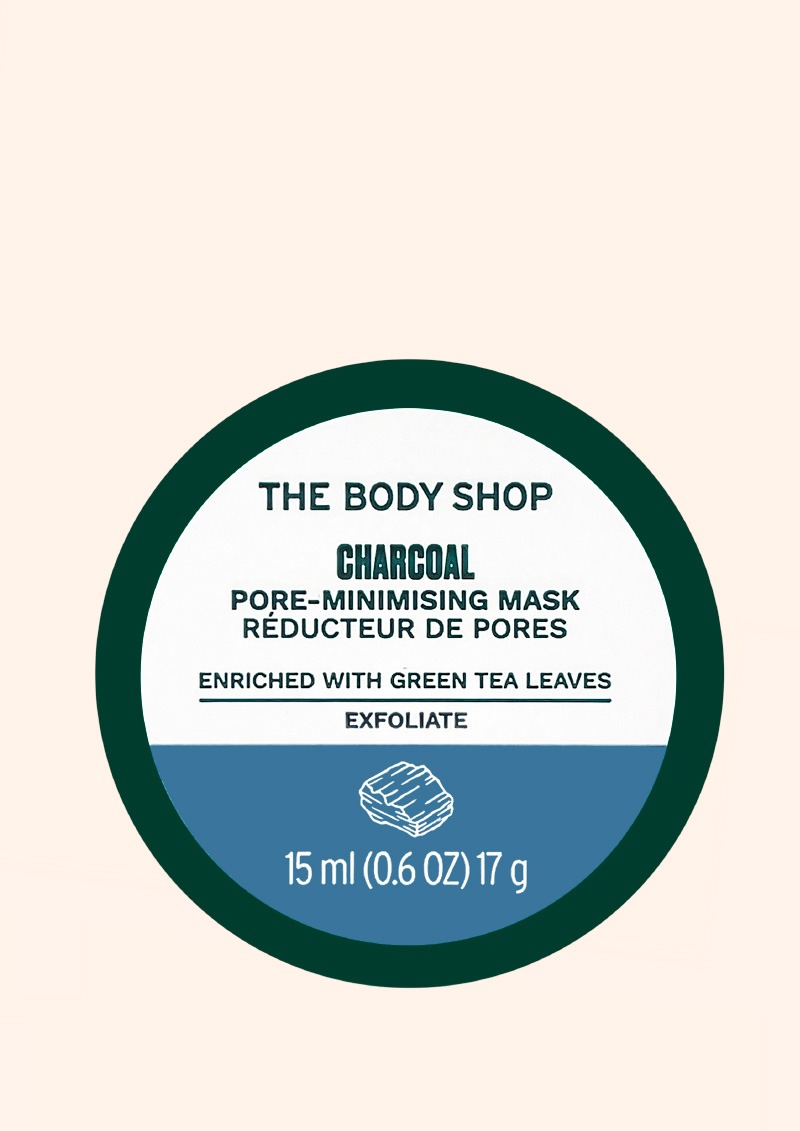
Himalayan Charcoal Purifying Glow Mask
Deeply cleanses and absorbs excess sebum for oily and congested skin.
Best Face Masks for Dry Skin
Best Face Masks for Dry Skin
Dry skin needs hydration, not harsh exfoliation. Cream masks and overnight/sleeping masks with hyaluronic acid, ceramides or squalane can help add moisture and support the skin is natural barrier.
Sheet masks soaked in hydrating serum are also a gentle option for dry skin.
Avoid: masks that feel overly drying, high-alcohol formulas and strong exfoliating acids if your skin is already dry or sensitive.
British Rose Fresh Plumping Mask
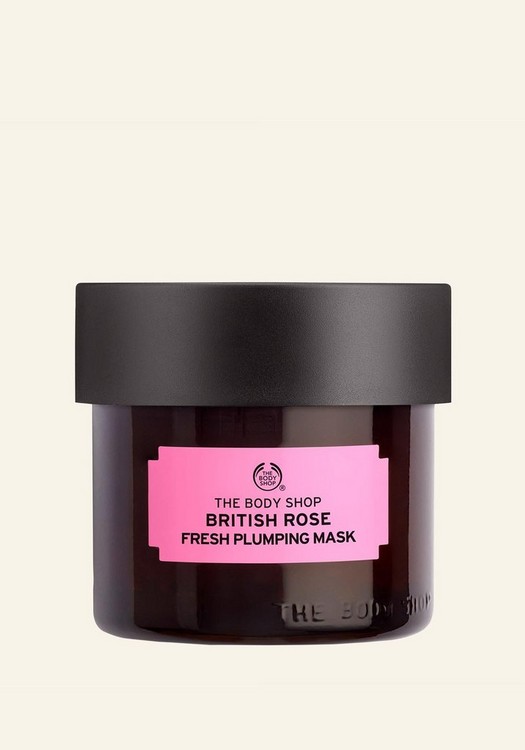
British Rose Fresh Plumping Mask
Hydrates and plumps dry, dehydrated skin with real rose petals.
Best Face Masks for Combination Skin
This is where multi-masking earns its reputation: a clay mask on the T-zone, a hydrating mask on the cheeks, applied at the same time.
If you would rather use one product, look for a balancing gel mask — these tend to hydrate without adding excess oil to already-oily areas.
Hybrid XL Cushion Sun Serum SPF 50
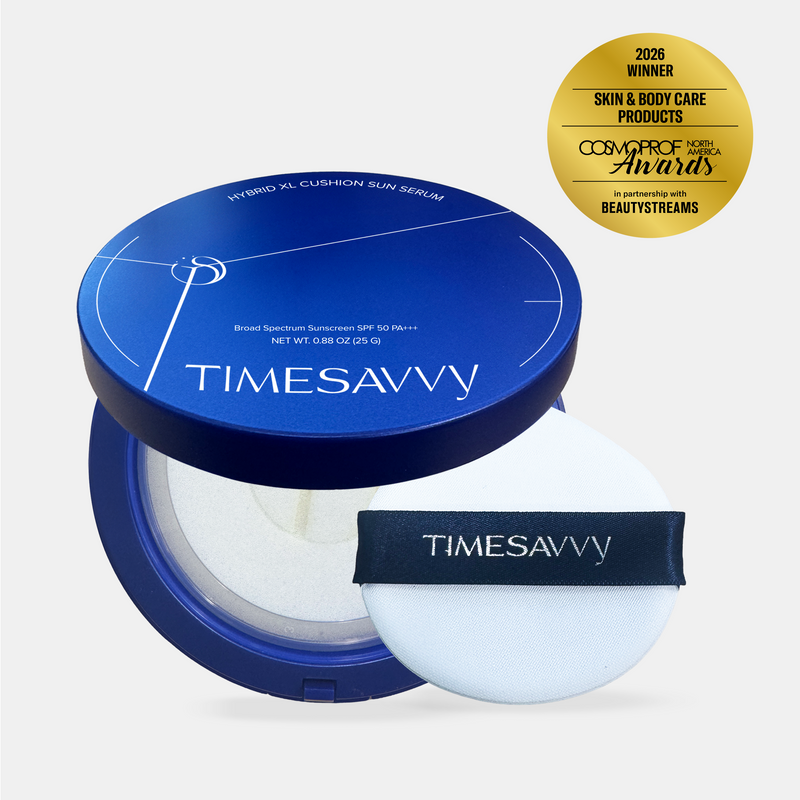
Hybrid XL Cushion Sun Serum SPF 50
Lightweight sun serum formulation ideal for balancing combination skin.
Best Face Masks for Sensitive Skin
Sensitive skin should prioritize fragrance-free, minimal-ingredient formulas. Centella asiatica (cica) and aloe vera are two of the most consistently well-tolerated calming ingredients.
Always patch test on your inner arm 24 hours before applying anything new to your face — this single habit prevents most bad reactions.
Avoid: masks with added fragrance, essential oils in high concentration or strong actives like retinol and AHAs unless you have built up tolerance slowly.
LANEIGE
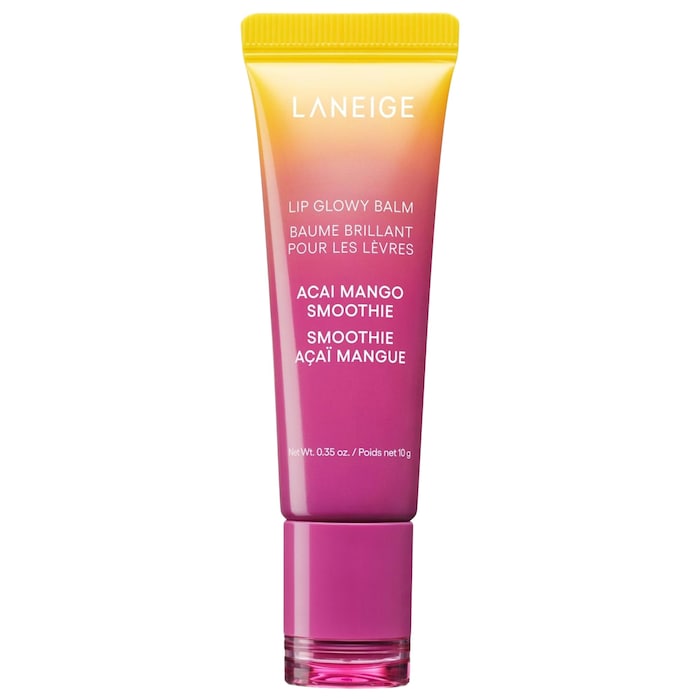
LANEIGE Calming & Hydrating Mask
Gentle, highly-tolerated formula designed to soothe sensitive skin barriers.
Best Face Masks for Acne-Prone Skin
Look for salicylic acid (BHA), sulfur or clay-based masks — these get into pores and help clear the buildup that leads to breakouts.
Tea tree oil in low concentrations is another well-studied option for mild acne.
Avoid: heavy, occlusive cream masks and anything comedogenic (coconut oil is a common offender in "natural" formulas).
10Pcs Face Sheet Mask Sets Fresh Fruit Face Care Sheet Masks Hydrating Anti-aging Oil Control Acne Treatment Facial Mask Skin Care Set
10Pcs Fresh Fruit Sheet Mask Set
Hydrating, oil-control sheet masks for acne-prone skin care.
Best Anti-Aging Face Masks
For fine lines and loss of firmness, look for retinol, peptides or collagen-supporting ingredients, along with hydrating bases like hyaluronic acid (dehydrated skin shows fine lines more visibly).
Overnight masks tend to perform well here since they give actives more time to work.
Dermalogica
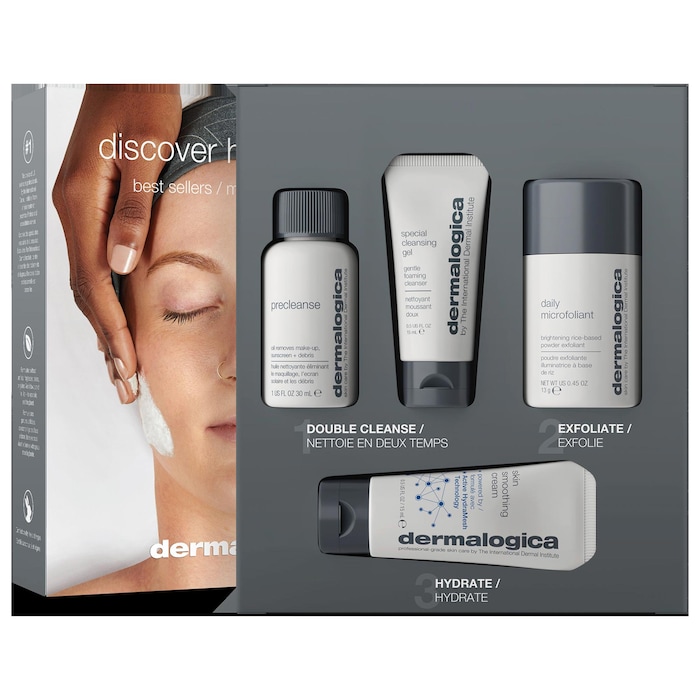
Dermalogica Anti-Aging Overnight Mask
Targeted anti-aging treatment for fine lines, firmness and mature skin recovery.
Best Face Masks for Dark Spots and Uneven Tone
Vitamin C and niacinamide are the two most consistently backed ingredients for brightening and fading dark spots over time.
Consistency matters more than intensity — a gentler mask used 2–3 times a week will usually outperform a harsh one used sparingly.
BIOAQUA Rice Face Sheet Mask

BIOAQUA Rice Face Sheet Mask
Rice extract formulation to target dark spots, large pores and dullness.
Best Clay Mask for Deep Cleansing & Oil Control
Natural Multani Mitti (Fuller's Earth) acts as a powerful deep-cleansing mask that absorbs excess oil, unclogs pores and sloughs off dead skin cells that cause dullness.
It leaves tired skin feeling refreshed, clear and naturally brightened. Follow up with a light moisturizer or rose water to keep skin hydrated after rinsing.
Multani Mitti Powder for Skin 100g Natural
Natural Multani Mitti Powder (100g)
Pure Fuller's Earth powder for deep cleansing, oil control and natural glow.
How Often Should You Use a Face Mask?
Oily/acne-prone: 2–3 times per week
Dry/sensitive: 1–2 times per week
Combination: 2 times per week (multi-masking as needed)
Mature skin: 1–3 times per week depending on the active ingredient strength
Overusing masks — especially clay, exfoliating or high-strength active masks — is one of the most common causes of irritation. More is not better here.
Common Mistakes That Make a "Good" Mask Feel Bad
Applying a mask to skin that is already irritated or sunburned
Skipping the patch test on new formulas, especially with actives
Layering multiple active-ingredient products the same day (e.g., a retinol mask right after an AHA cleanser)
Leaving clay masks on until fully dry and cracking — this pulls moisture out of the skin unnecessarily
Where to Get the Best Deals on Face Masks by Skin Type
Good skincare does not have to mean paying full price. We track current discounts, bundle offers and seasonal sales across drugstore and premium face mask brands so you can match the right formula to your skin type without overspending.
Check our live face mask deals page before you buy — prices and offers are updated regularly.
Frequently Asked Questions
A balancing gel mask or a multi-masking routine (clay on the T-zone, hydrating formula on the cheeks) works best for combination skin, since it addresses oily and dry areas differently rather than treating the whole face the same
It is not recommended more than occasionally. Clay masks absorb oil and can leave dry skin feeling tighter and more dehydrated.
Check your skin an hour after cleansing with nothing applied — shiny areas indicate oiliness, tight or flaky areas indicate dryness. Match your mask type to what you observe and patch test anything new before applying it to your full face.
For most skin types, yes — daily masking, especially with clay or active-ingredient masks, can disrupt the skin barrier. Stick to 1–3 times per week depending on your skin type and the mask's strength.
Not necessarily. Effectiveness depends more on matching the formula to your skin type and using it correctly than on price. Many budget options contain the same core active ingredients as premium brands.