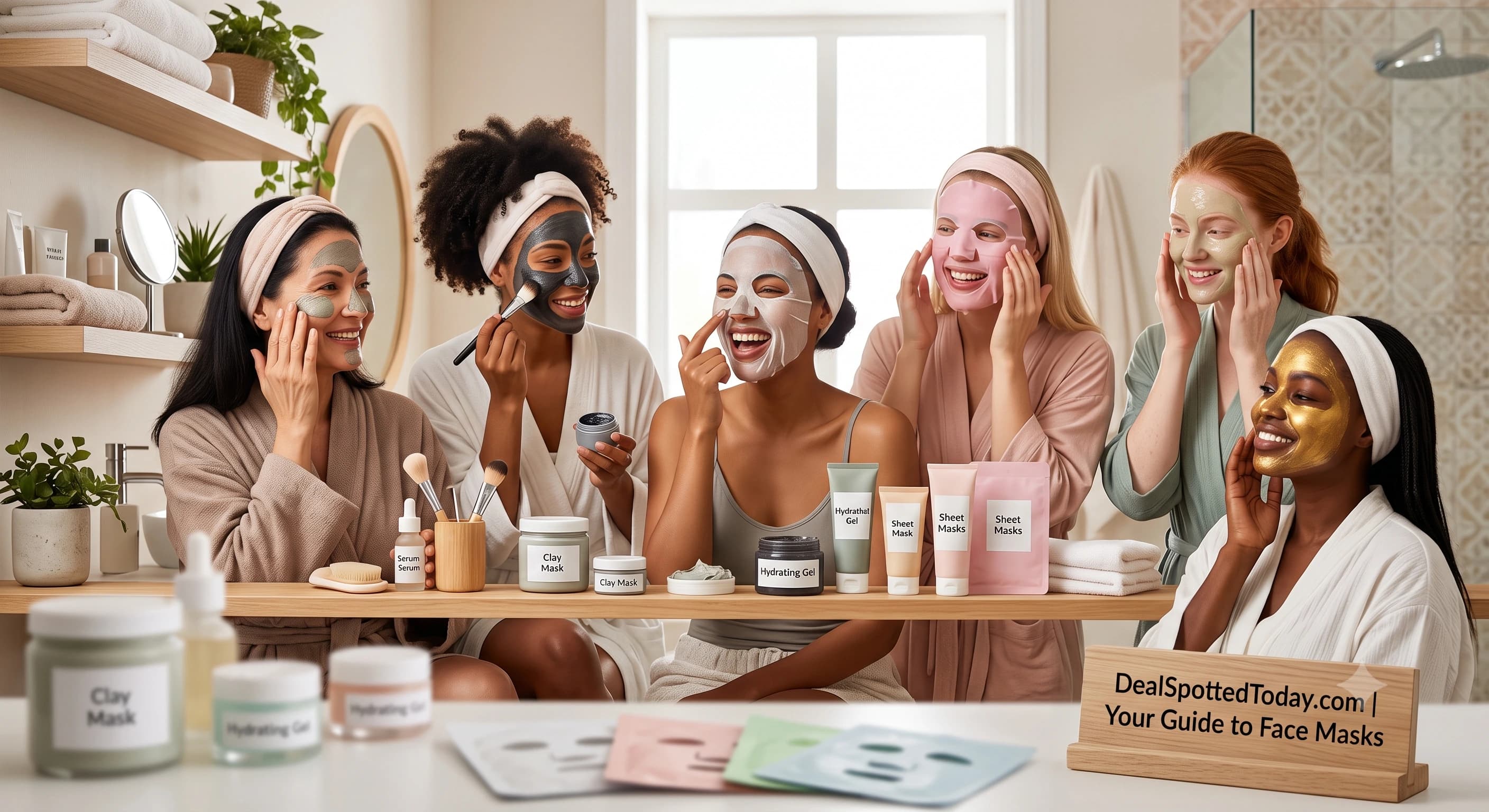
The right face mask can give your skin a quick boost, but not every mask works for every skin type. A clay mask may help oily skin, while dry skin usually needs more hydration.
In this guide we will cover the best face masks for different skin types what to look for how often to use them and a few common mistakes to avoid.
How to Know Your Skin Type
Before choosing a face mask, understand what your skin actually needs.
Oily skin: Gets shiny quickly and may have clogged pores.
Dry skin: Feels tight, rough or flaky.
Combination skin: Oily around the T-zone but drier on other areas.
Sensitive skin: Can become red or irritated easily.
Mature skin: Often needs extra hydration and ingredients that support smoother-looking skin.
Normal skin: Usually has a balanced feel without excessive oil or dryness.
Knowing your skin type makes it easier to choose a mask without adding unnecessary irritation.
Types of Face Masks
Face masks come in different formulas and each has a different purpose.
Clay masks: Useful for absorbing excess oil and helping skin feel cleaner.
Sheet masks: Easy to use and mainly focused on hydration.
Cream masks: Better suited to dry or dehydrated skin.
Overnight masks: Designed to provide longer-lasting hydration while you sleep.
Exfoliating masks: Help remove dead skin but should not be overused.
Do Face Masks Actually Work?
Yes, face masks can provide noticeable short-term benefits such as hydration, oil control, smoother-feeling skin or a fresher appearance. However, results depend on the ingredients, your skin type and how consistently you use the product.
A face mask is best treated as an addition to your skincare routine, not a replacement for basic skincare.
Best Face Masks by Skin Type
Best Face Mask for Oily Skin: Himalayan Charcoal Purifying Glow Mask
Oily skin can benefit from clay or charcoal masks that help absorb excess oil and impurities. This mask is a good option when your skin feels greasy or congested.
Best for: Oil control and a cleaner-feeling complexion.
Watch out: Leaving a clay mask on too long can leave skin feeling dry or tight.
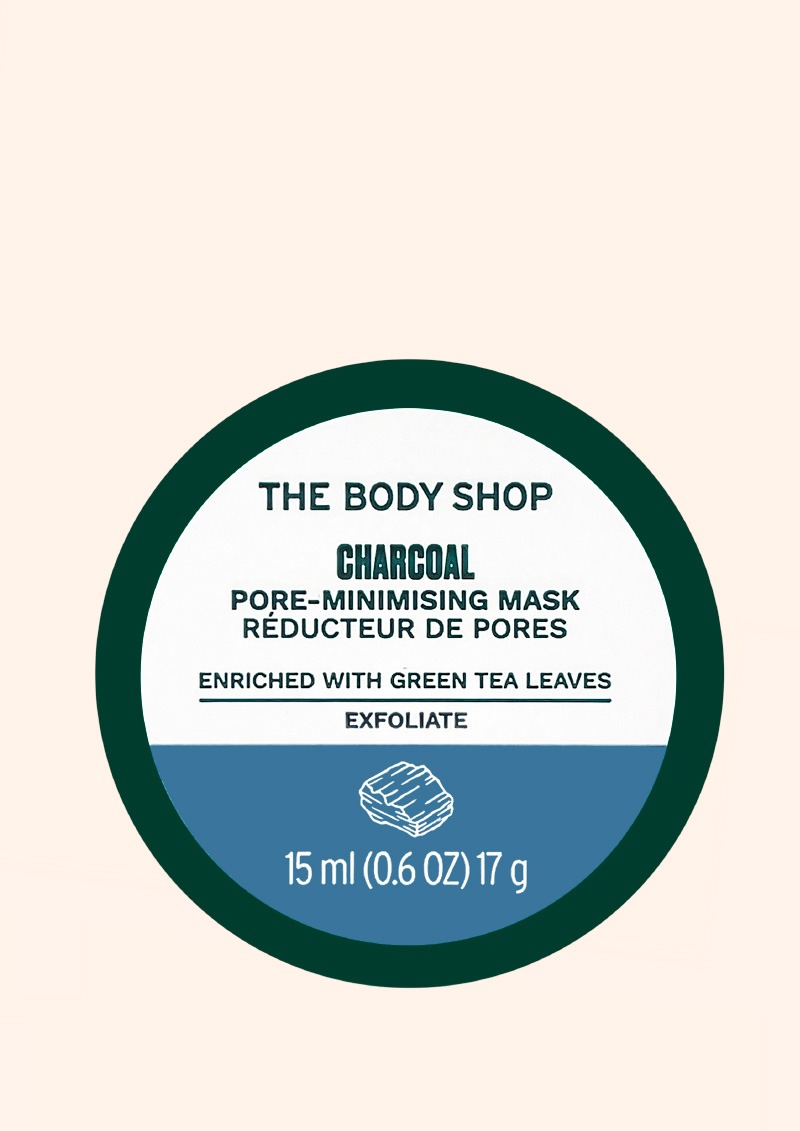
Himalayan Charcoal Purifying Glow Mask
Deeply cleanses and absorbs excess sebum for oily and congested skin.
Best Face Mask for Dry Skin: British Rose Fresh Plumping Mask
Dry skin usually needs hydration rather than aggressive oil removal. A moisturizing mask can help skin feel softer and more comfortable.
Best for: Hydration and a fresh, dewy look.
Look for: Ingredients such as hyaluronic acid, ceramides, aloe or squalane.
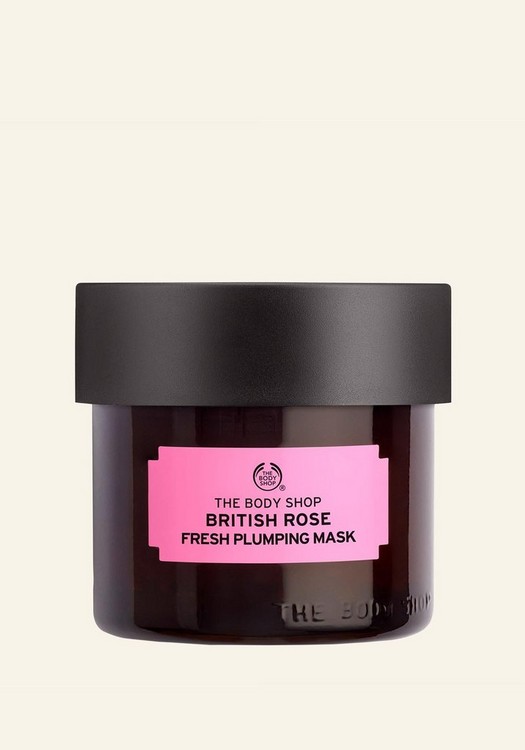
British Rose Fresh Plumping Mask
Hydrates and plumps dry, dehydrated skin with real rose petals.
Best Face Mask for Combination Skin
Combination skin can be tricky because different areas may need different care. A lightweight hydrating mask can work well without making oily areas feel too heavy.
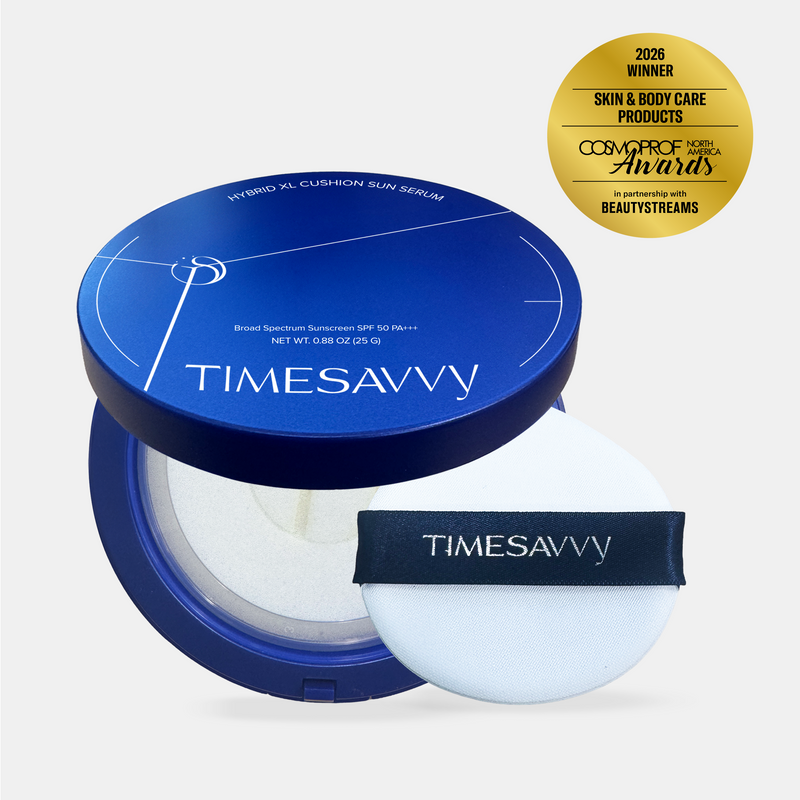
Hybrid XL Cushion Sun Serum SPF 50
Lightweight sun serum formulation ideal for balancing combination skin.
If your T-zone is oily, consider using a clay mask only on those areas instead of applying it everywhere.
Best Face Mask for Sensitive Skin: LANEIGE Calming and Hydrating Mask
Sensitive skin generally does better with simple, soothing formulas. Look for hydrating ingredients and avoid products that contain ingredients your skin already knows it does not tolerate.
Best for: Calming and adding moisture.
Avoid: Strong fragrances, harsh exfoliants or too many active ingredients at once.
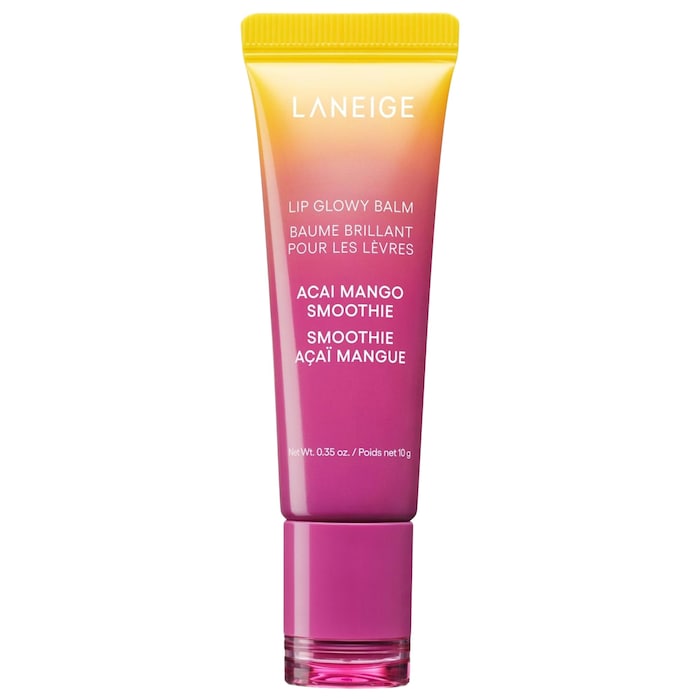
LANEIGE Calming & Hydrating Mask
Gentle, highly-tolerated formula designed to soothe sensitive skin barriers.
Best Face Mask for Acne-Prone Skin: 10Pcs Fresh Fruit Sheet Mask Set
Acne-prone skin needs careful product selection. Look for lightweight formulas and ingredients commonly used for blemish-prone skin, such as salicylic acid, sulfur or clay.
10Pcs Fresh Fruit Sheet Mask Set
Hydrating, oil-control sheet masks for acne-prone skin care.
Avoid heavy formulas if they tend to clog your pores or make breakouts worse.
Best Anti-Aging Face Mask: Dermalogica Anti-Aging Overnight Mask
For mature-looking skin, hydration is important. Masks containing peptides, hyaluronic acid or other skin-supporting ingredients can help skin look smoother and more refreshed.
Best for: Hydration and a plumper-looking complexion.
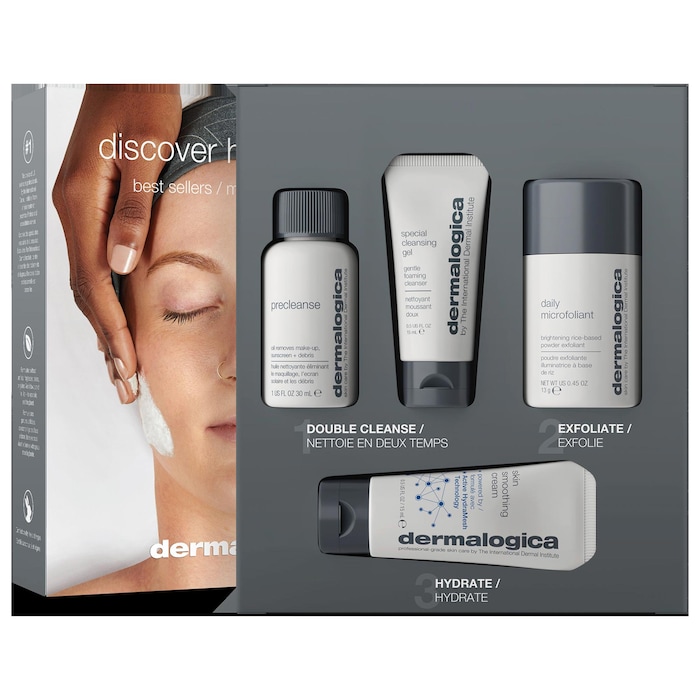
Dermalogica Anti-Aging Overnight Mask
Targeted anti-aging treatment for fine lines, firmness and mature skin recovery.
Best Face Mask for Dark Spots and Uneven Tone
For uneven-looking skin tone, look for masks with ingredients such as niacinamide or vitamin C. Consistency matters more than using an aggressive product occasionally.
BIOAQUA Rice Face Sheet Mask
Rice extract formulation to target dark spots, large pores and dullness.
Daily sunscreen is also important when you are working on uneven tone or dark spots.
Best Clay Mask for Deep Cleansing
Multani Mitti and other clay masks are popular for oily skin because they can absorb excess oil and leave skin feeling refreshed.
Best for: Deep cleansing and oil control.
Natural Multani Mitti Powder (100g)
Pure Fullers Earth powder for deep cleansing, oil control and natural glow.
Follow with moisturizer if your skin feels dry after using a clay mask.
How to Choose a Face Mask
Keep it simple:
Start with your skin type.
Decide what you want the mask to do.
Check the main ingredients.
Avoid formulas that have irritated your skin before.
Follow the products recommended use time.
You do not need the most expensive mask. The better choice is the one that matches your skin's needs.
Can Face Masks Damage Your Skin?
They can cause irritation if used too often, left on for too long, or combined with other strong skincare products. This is especially important for sensitive skin.
If a mask causes strong burning, swelling or persistent irritation, wash it off and stop using it.
How Long Should You Keep a Face Mask On?
Follow the instructions on the product. More time does not automatically mean better results.
Clay masks, in particular, should not be left on until the skin becomes extremely dry or uncomfortable.
How Often Should You Use a Face Mask?
It depends on the formula and your skin type.
Oily skin: Around 1–2 times a week for many clay masks.
Dry skin: Around 1–2 times a week with hydrating formulas.
Sensitive skin: Start less frequently and see how your skin responds.
Combination skin: Adjust based on what different areas need.
Always follow the product instructions if they recommend a different schedule.
Do Face Masks Expire?
Yes. Face masks can expire and using an old product may affect its texture, smell, or performance. Check the expiration date or the period-after-opening symbol on the packaging.
If the product changes smell, color, or texture unexpectedly, it is safer not to use it.
Do You Wash Your Face After a Face Mask?
It depends on the type of mask.
Clay, peel-off and some cream masks usually need to be removed or rinsed off. Sheet masks and overnight masks may have different instructions, so check the packaging before washing your face.
Common Face Mask Mistakes
A few simple mistakes can make a good mask work against you:
Using a mask too often
Leaving it on longer than instructed
Applying strong active ingredients together
Using a mask on already irritated skin
Skipping a patch test when trying a new product
The goal is healthy-looking skin, not using as many products as possible.
Frequently Asked Questions
Yes, especially if it does not suit your skin type or you use it too often. Stop using it if you notice strong burning, swelling, or lasting irritation.
Most masks work best after cleansing and before your usual moisturizer or other skincare. Always follow the product instructions if they say otherwise.
Check the expiration date and packaging symbol. If the mask develops an unusual smell, color, or texture, it is better to replace it.