

Planning a camping trip or a long hike? The right outdoor equipment can make your trip more comfortable, safer and easier.
You do not need to buy everything. Start with reliable gear that matches your trip, weather and the amount of equipment you need to carry.
Here are 5 useful outdoor equipment picks for 2026, plus a few essentials worth adding to your packing list.
5 Essential Outdoor Gear Picks
Big Agnes Copper Spur — Best Overall Tent
Link: Big Agnes
A good tent gives you a comfortable place to sleep while protecting you from changing weather. The Big Agnes Copper Spur is a strong option for hikers and campers who want a lightweight tent with useful space.
Why We Like It
Lightweight for backpacking
Quick and simple setup
Protection from rain and wind
Enough space for sleeping and essential gear
Best for: Hikers, backpackers and campers who want a lightweight shelter.
Keep in mind: Lightweight tents can cost more than basic camping tents.

Copper Spur UL1 Big Agnes Copper Spur Ten
Lightweight and weather-resistant tent for hiking, backpacking and camping.
Osprey Hiking Backpack — Best for Comfort
Link: Osprey
Your backpack carries most of your essentials, so fit and comfort matter. Osprey backpacks are designed to make carrying gear easier while giving you space to organize clothing, food and water.
Why We Like It
Comfortable padded straps
Useful storage compartments
Durable construction
Different sizes for different trips
Best for: Day hikes, overnight trips and carrying camping gear.
Keep in mind: Choose the backpack size based on your trip rather than appearance alone.

Talon™ 22 Osprey Hiking Backpack
Comfortable, durable backpack designed for long hikes and outdoor adventures.
Coleman Sleeping Bag — Best Budget Sleeping Bag
Link: Coleman
Cold nights can quickly make camping uncomfortable. A good sleeping bag provides warmth without taking up too much space.
Coleman is a practical choice for beginners and casual campers who want an affordable sleeping option.
Why We Like It
Budget-friendly
Comfortable for casual camping
Easy to pack
Available for different temperature conditions
Best for: Beginners, families and occasional campers.
Keep in mind: Always check the temperature rating before camping in cold weather.
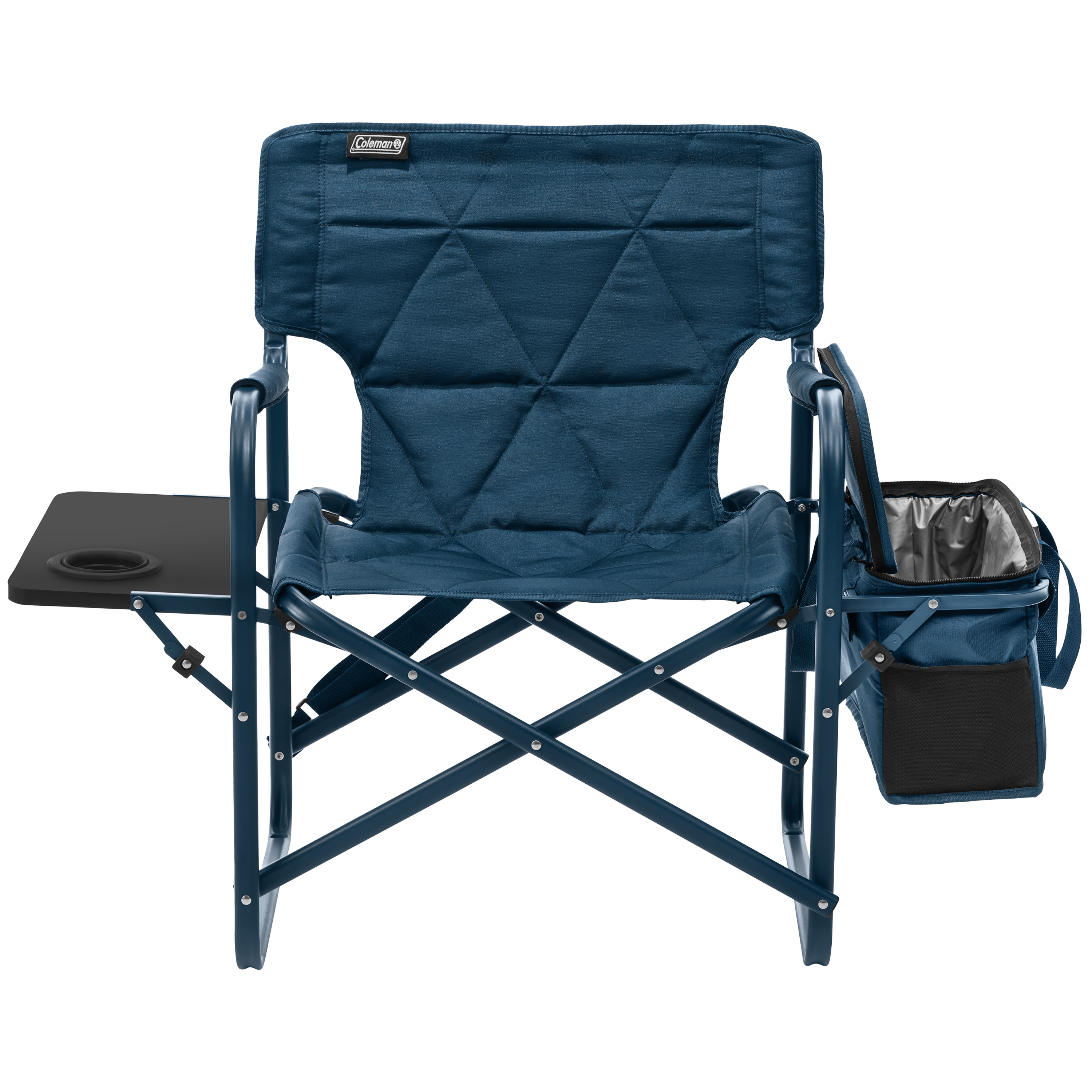
Flex 'N Go™ Chair Table + Cooler Sapphire
Warm, comfortable and affordable sleeping bag for camping beginners and families.
YETI Tundra Cooler — Best for Food and Drinks
Link: YETI
A reliable cooler helps keep food and drinks cold during camping trips and road adventures. The YETI Tundra is built for outdoor use and is a good choice when durability and ice retention matter.
Why We Like It
Strong ice retention
Durable construction
Useful for camping and road trips
Keeps food and drinks cold
Best for: Family camping and longer outdoor trips.
Keep in mind: It costs more than many basic coolers.
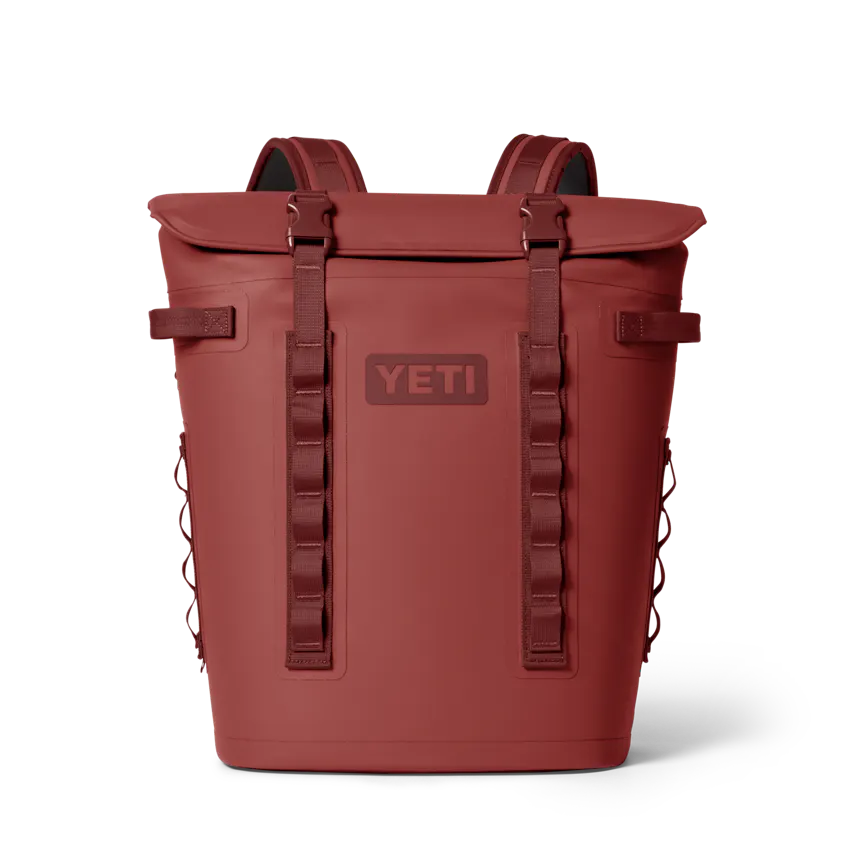
Hopper® M20 Backpack YETI Tundra Cooler
Durable outdoor cooler designed to keep food and drinks cold during camping and road trips.
Black Diamond Headlamp — Best for Night Activities
Link: Black Diamond
A headlamp becomes extremely useful after sunset. Unlike a handheld flashlight, it keeps both hands free while you cook, walk or set up your tent.
Why We Like It
Hands-free lighting
Lightweight and easy to carry
Useful for night hikes
Convenient around camp
Best for: Night hiking, camping and emergency lighting.
Keep in mind: Check battery life and water resistance before buying.

Black Diamond Spot 400 Headlamp
Bright and versatile headlamp for camping, hiking, backpacking and nighttime outdoor activities.
Other Outdoor Gear You Should Consider
The five products above cover some of the biggest camping needs, but your packing list should also match your activity and weather.
Hiking Shoes
Choose footwear with a comfortable fit and enough grip for your trail. Lightweight trail shoes can work well for easier hikes, while rough terrain may need more supportive boots.
Water and Hydration
Carry enough water for your route. A hydration bladder can be convenient on longer hikes, while a suitable water filter or purification method can be useful for remote trips.
Sleeping Pad
A sleeping bag keeps you warm, but a sleeping pad adds cushioning and helps protect you from the cold ground. Foam pads are simple and durable, while inflatable options are easier to pack.
Basic Safety Gear
A small first-aid kit, phone, power bank and offline map are worth carrying, especially on longer hikes. A whistle and emergency blanket can also be useful for remote trips.
Weather Protection
Pack according to the conditions. A waterproof rain jacket, warm layers, good socks, hat and sunscreen can make a big difference when the weather changes.
Camping Gear vs Hiking Gear
Camping and hiking have different priorities.
For hiking, focus on lightweight gear, comfortable footwear, water, navigation and weather protection.
For camping, you will usually need more equipment, including a tent, sleeping system, food and cooking gear.
If you are backpacking, keep your gear as lightweight and compact as practical because you have to carry it yourself.
How to Choose the Right Outdoor Equipment
Before buying, consider:
Trip length: A day hike needs less gear than a multi-day trip.
Weather: Cold, rain and heat can change what you need.
Weight: Important when carrying everything on your back.
Comfort: Especially important for backpacks, footwear and sleeping gear.
Durability: Worth considering if you camp frequently.
Budget: You do not always need the most expensive option.
The right gear is not necessarily the most expensive. It is the gear that fits your trip and how often you plan to use it.
Quick Comparison Table
Final Thoughts
Good outdoor equipment does not have to mean buying a huge collection of gear. Start with the essentials and choose them according to your trip, weather and experience level.
A reliable tent, comfortable backpack, suitable sleeping bag, durable cooler and dependable headlamp can cover many common camping needs. Add hydration, footwear, safety and weather gear as your adventures become longer or more challenging.
Frequently Asked Questions
Start with a suitable tent, sleeping bag, backpack, water, basic safety gear and weather-appropriate clothing.
Water, comfortable footwear, a small backpack, weather protection, navigation and basic first aid are good essentials. A headlamp is also useful if you may return after dark.
No. Focus on fit, durability, comfort and features that match your actual trip instead of simply choosing the most expensive option.