
If you have spent more than five minutes shopping for a microphone you have probably run into this fork in the road dynamic or condenser The internet is full of conflicting advice and most of it skips the part that actually matters what you are recording and where.
This is not a one is better than the other situation. It is a different tools for different jobs situation. By the end of this guide you will know exactly which type fits your setup your room and your budget o audio engineering degree required.
What is the Real Difference Between Dynamic and Condenser Microphones?
Both microphone types do the same basic job turn sound waves into an electrical signal. But how they do it changes everything about how they perform.
Dynamic Microphones
Dynamic mics use a simple moving-coil design. Sound hits a diaphragm attached to a coil of wire sitting inside a magnetic field and that movement generates the electrical signal directly no external power needed.
Key traits:
Rugged and hard to damage
Naturally rejects background noise
Does not require phantom power
Lower sensitivity so it needs sound sources to be close
Generally more affordable
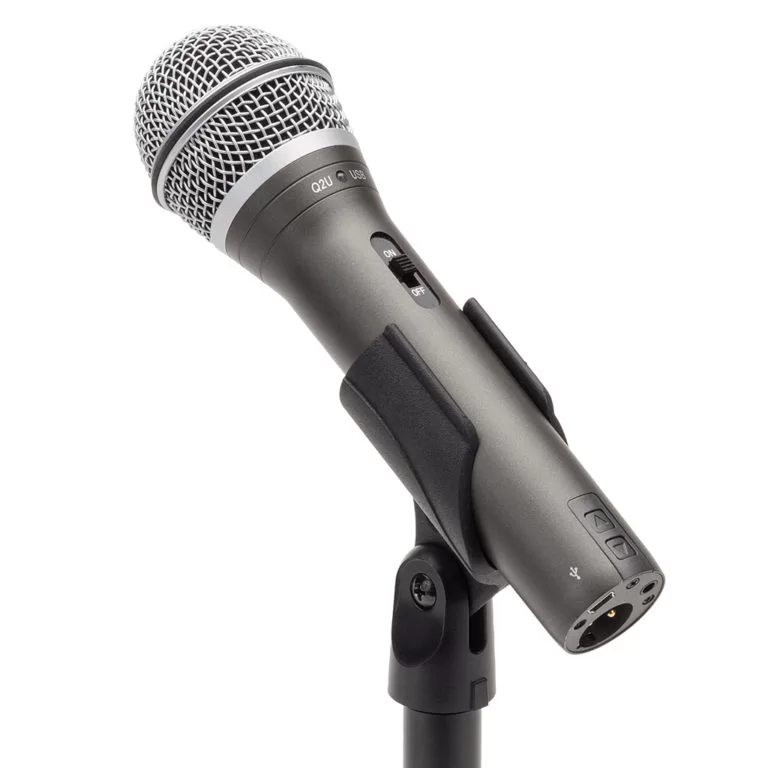
Dynamic Microphones
Dynamic microphones are durable and reliable mics that work well for podcasts, streaming, live vocals and noisy or untreated rooms. They offer focused sound capture, strong background noise rejection and simple setup.
Condenser Microphones
Condenser mics work differently. They use a thin electrically charged diaphragm positioned near a backplate, forming a capacitor. This design is far more sensitive to sound which is why condensers pick up detail and nuance that dynamic mics simply can not.
Key traits:
Highly sensitive and detailed sound capture
Requires phantom power (usually 48V from an interface or mixer)
Picks up more room noise and ambience
More fragile and sensitive to handling
Wider frequency response, often brighter and airier tone
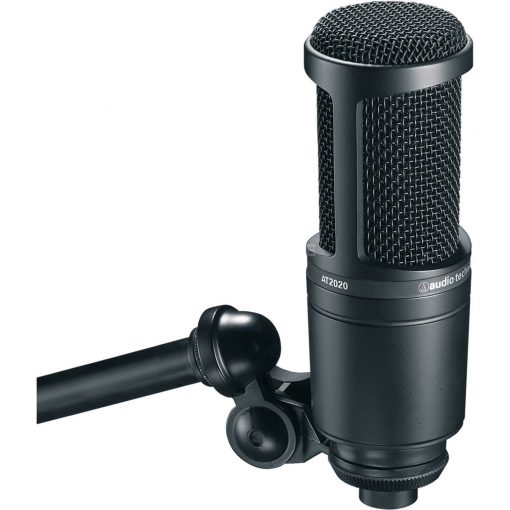
Condenser Microphones
Condenser microphones capture detailed, clear and natural sound, making them ideal for studio vocals, voiceovers, podcasts and acoustic instruments. They work best in quiet or treated recording spaces where sound detail matters.
Dynamic vs. Condenser: Side-by-Side Comparison
Feature | Dynamic Mic | Condenser Mic |
Sensitivity | Low | High |
Power Needed | None | Phantom power (48V) |
Background Noise Rejection | Excellent | Weak to moderate |
Durability | Very high | Moderate to low |
Sound Detail | Warmer, more compressed | Crisp, detailed, airy |
Best Environment | Untreated / noisy rooms | Treated / quiet rooms |
Typical Price Range | Budget to mid-range | Mid-range to premium |
When You Should Choose a Dynamic Microphone
Dynamic mics shine in situations where the room is not perfect or the source is loud and close.
Podcasting and streaming in an untreated room. If you do not have acoustic foam or a dedicated studio a dynamic mic will forgive a noisy environment far better than a condenser.
Live vocals and stage performance. Dynamic mics handle high sound pressure levels and reject stage noise and monitor bleed.
Recording loud instruments. Guitar amps, drums and brass instruments are often mic'd with dynamics because they can handle high volume without distorting.
Multiple speakers in one room. Their tight pickup pattern helps isolate each voice, which is why radio and broadcast studios rely on them heavily.
If your setup is bedroom no soundproofing roommates walking around a dynamic mic is almost always the smarter first buy.
When You Should Choose a Condenser Microphone
Condensers earn their reputation in controlled quiet environments where detail matters most.
Studio vocal recording. For singing, voiceover work or ASMR-style content, condensers capture nuance and warmth dynamic mics miss.
Acoustic instruments. Guitars, pianos and strings benefit from the wider frequency range and sensitivity.
Professional voiceover and audiobook narration. Clients expect the crisp, polished sound condensers are known for.
Treated home studios or booths. If you have already invested in sound treatment a condenser will reward you with a noticeably cleaner recording.
The trade-off: condensers pick up everything including your air conditioner keyboard clicks and the dog barking two rooms over.
Common Mistakes People Make When Choosing
Buying a condenser mic for an untreated room. This is the number one regret among new podcasters and streamers the mic is not bad the room is just too loud for it.
Assuming expensive = better. A $50 dynamic mic in the right room can sound better than a $300 condenser in a bad one.
Ignoring the need for an audio interface. Condensers require phantom power so you will need an interface or mixer that supports it factor that into your budget.
Not testing mic placement. Both mic types are sensitive to distance and angle even the best microphone sounds bad if it is positioned wrong.
Quick Decision Guide
Noisy or untreated room? → Go dynamic.
Quiet, treated space with good acoustics? → Go condenser.
Podcasting or streaming as a beginner? → Go dynamic.
Studio vocals, voiceover or acoustic instruments? → Go condenser.
Tight budget and just starting out? → Go dynamic — it is more forgiving and versatile.
Final Thoughts
There no universal best microphone only the best microphone for your situation. Dynamic mics are the reliable workhorses forgiving, durable and built for real-world imperfect environments. Condenser mics are the precision instruments capturing detail and warmth but demanding a controlled space to do their best work.
Think about your room your content and your budget before you buy not just the spec sheet. Get that match right and you will spend a lot less time fighting with EQ and noise reduction later.
Frequently Asked Questions
A: Yes. Many professional vocalists use dynamic mics (like the Shure SM7B) for both studio and live singing, especially when they want a warmer more controlled sound.
A: Most XLR condenser mics need phantom power from an interface or mixer. USB condenser mics have this built in so no separate interface is required.
A: Dynamic mics are generally recommended for streaming since gaming setups are rarely acoustically treated and often have background noise from PCs, fans or keyboards.
A: Only if you already have a quiet, treated space. Otherwise, a dynamic mic will give you cleaner results with less post-processing effort.