
Do you ever walk into a room and feel small? Do you rehearse a sentence in your head five times before you say it out loud? If yes, you are not broken.
You are just a normal human being who has not built the habit of confidence yet.
Here is the good news: confidence is not something you are born with, like eye color. It is more like a muscle. You build it the same way you build any muscle — a little bit, every single day. And being personable — the warm, easy-to-talk-to kind of confident — is just as learnable.
In this guide, we will walk through 9 simple steps. No fluff, no jargon, just things you can start doing today.
What Does Confident and Personable Really Mean?
Let's keep this simple.
Confident means you trust yourself enough to try, even when you might fail.
Personable means people enjoy being around you because you are warm, easy and interested in them.
You don't need one without the other. In fact, they work together. The more comfortable you feel in your own skin, the easier it becomes to be warm and relaxed with other people.
1. Stop the Comparison Game
This is the biggest confidence killer and it happens mostly on autopilot. You scroll through photos, watch a coworker give a smooth presentation or hear about a friend's promotion — and suddenly you feel smaller.
Here is the trick: you are comparing your behind-the-scenes to everyone else's highlight reel. Nobody posts their bad days. Nobody records their awkward pauses in meetings.
Try this today: every time you catch yourself comparing, say silently, That is their race, not mine. Then bring your attention back to your own next small step.
2. Talk to Yourself Like You would Talk to a Friend
Most of us are far kinder to our friends than we are to ourselves. If a friend messed up a presentation, you would probably say, It happens to everyone, don't worry about it. But when it is you? The inner voice turns sharp and mean.
That inner voice matters more than you think. It shapes how you act the next time a similar moment comes up.
Try this today: the next time you catch a harsh thought about yourself, rewrite it the way you would say it to a friend. I sounded stupid becomes That was a bit shaky, but I will do better next time.
3. Stand Tall (Yes, Your Body Talks Too)
Confidence is not only a feeling — it is also a posture. Your body and your brain are in constant conversation with each other. When you slouch, your brain quietly picks up on it and starts to feel smaller too.
When you stand tall, shoulders back, chin level, your brain starts to believe the story your body is telling.
This is not about faking anything. It is simply using your body as a shortcut to feeling steadier.
Try this today: before you walk into a room — a meeting, a party, a date — pause for five seconds. Roll your shoulders back. Take one slow breath. Then walk in.
4. Do the Scary Thing Anyway
Here is a truth that most confidence articles skip: you do not need to feel confident first in order to act. You can act first and the confidence follows.
Think about the last time you were nervous about something — a phone call, a hard conversation, trying a new gym class. Chances are, once you were actually doing it, the fear shrank. That is how it almost always works. Confidence is built through evidence and evidence only comes from action.
Try this today: pick one small thing you have been avoiding because it feels a little scary — sending that message, raising your hand, introducing yourself first. Do just that one thing today.
5. Collect Small Wins Every Day
Big confidence is not built from one giant leap. It is built from a pile of small proofs that you can handle things. Every time you follow through on something — even something tiny — you are adding a brick to that pile.
Try this today: at the end of each day, write down one thing you did well, even if it feels minor. I spoke up in the meeting.I went for a walk even though I did not feel like it. Over a few weeks, this list becomes real evidence your brain can not ignore.
6. Take Care of Your Body
It is hard to feel confident when your body feels run-down. Sleep, movement and food are not just health advice — they directly affect your mood and your sense of self.
Exercise in particular has a strong, well-documented link to confidence. Movement releases chemicals in your brain that lift your mood and it also gives you a simple, repeatable win: you showed up and did it.
Try this today: aim for one small movement break — a 10-minute walk, a few stretches, anything that gets your body moving. You don't need a gym membership to start.
7. Learn One New Thing at a Time
Confidence often comes from competence. When you are good at something — even one small thing — that skill becomes a quiet source of steadiness you can lean on in other areas of life too.
Try this today: pick one small skill you would like to improve, whether it is public speaking, cooking or a work skill. Spend just 15 minutes practicing it. Small, repeated practice compounds faster than people expect.
8. Surround Yourself With People Who Lift You Up
Confidence is contagious and so is doubt. If you spend most of your time around people who criticize, compare or bring you down, it is going to be an uphill climb no matter what else you do.
This does not mean cutting everyone difficult out of your life overnight. It means noticing who leaves you feeling lighter after you talk to them and spending a little more time there.
Try this today: reach out to one person who makes you feel good about yourself — a quick message, a coffee invite, anything small.
9. Practice Being Warm and Curious With Others
This is the personable half of the equation and it is simpler than people think. Being likable is not about being the funniest or most polished person in the room. It is about making the other person feel noticed.
Ask a genuine question. Listen to the answer instead of planning what you will say next. Smile when you mean it. People remember how you made them feel far more than what you said.
Try this today: in your next conversation, ask one follow-up question instead of jumping straight to your own story.
Quick Recap
Stop comparing your behind-the-scenes to other people's highlight reel
Talk to yourself the way you would talk to a friend
Stand tall — your body shapes your brain
Act first, let confidence follow
Track small wins daily
Move your body and sleep well
Practice one small skill at a time
Spend more time with people who lift you up
Get curious about others instead of performing for them
None of these steps require you to become a different person. They just ask you to show up, a little bit braver, a little more often. Confidence is not a switch you flip — it is a habit you build, one small rep at a time.
4 Simple Tools to Help You Build Confidence
If you want a little extra support while you build these habits, these four picks are worth a look:
The Confidence Gap by Russ Harris — A gentle, practical book that reframes fear instead of fighting it, so you can act despite self-doubt rather than waiting for it to disappear.

The Confidence Gap by Dr. Russ Harris
A practical, gentle guide that teaches you how to act despite fear and self-doubt using proven ACT principles.
You Are a Badass by Jen Sincero — A funny, no-nonsense read that helps you spot the self-sabotaging thoughts that quietly hold your confidence back.

You Are a Badass by Jen Sincero
A humorous, no-nonsense bestseller to help you identify and stop self-sabotaging thoughts holding your confidence back.
The Five Minute Journal by Intelligent Change — A short daily journal built for the collect small wins habit from Step 5, so you actually keep track of your progress.
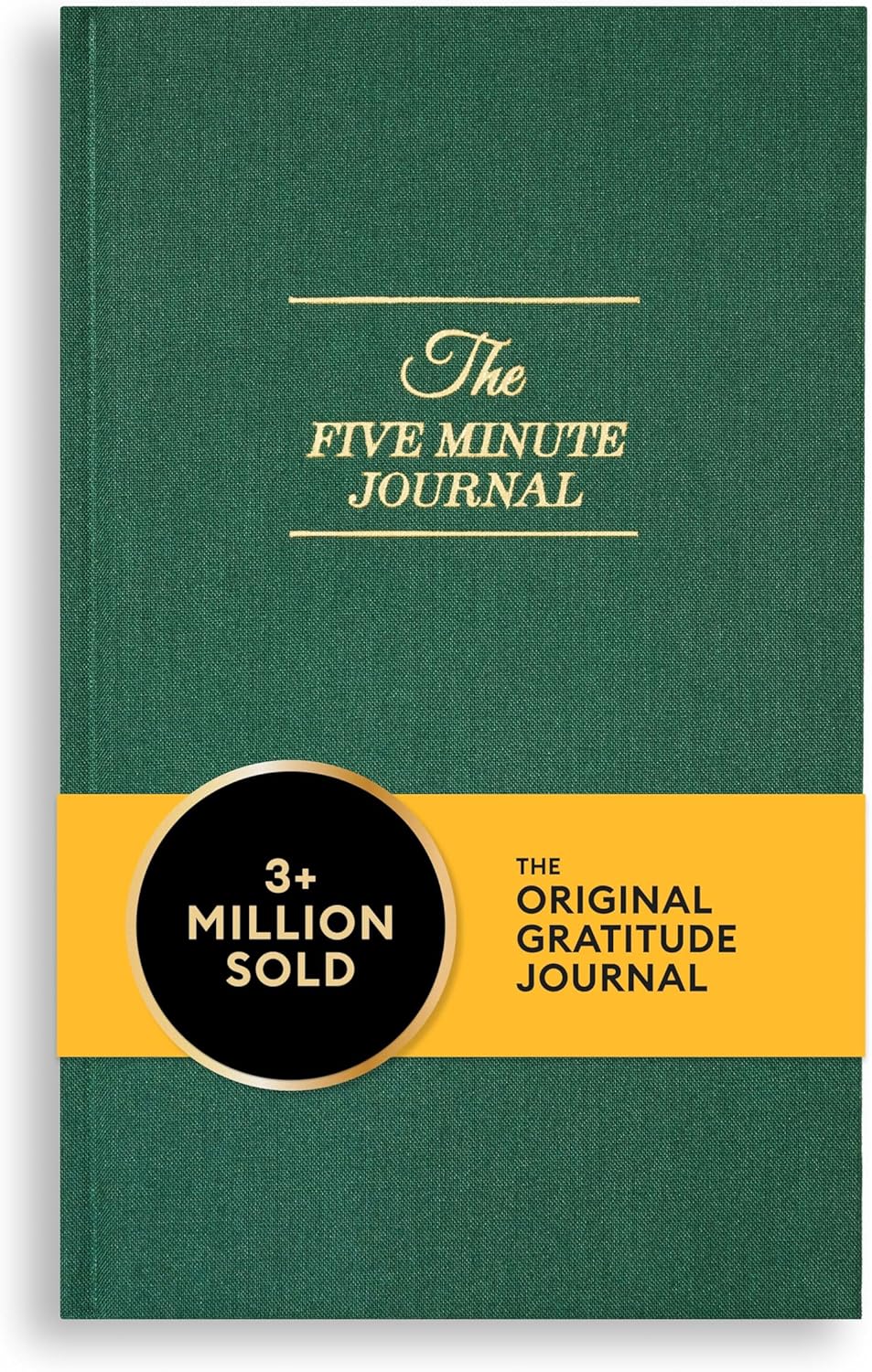
The Five Minute Journal by Intelligent Change
A daily guided journal designed to help you celebrate small wins, practice gratitude and build lasting positive habits.
Truweo Posture Corrector — A simple, affordable brace that trains your shoulders back, supporting the stand tall habit from Step 3 until it becomes automatic.

Truweo Posture Corrector for Men & Women
Lightweight and adjustable back brace that builds muscle memory to stand tall, keep shoulders back and improve posture.
Frequently Asked Questions
Yes. Being personable does not mean becoming a loud extrovert. It simply means showing genuine warmth and curiosity toward others, listening actively and making people feel heard in conversations.
Confidence builds through consistent, small actions. While mindset shifts can begin immediately after practicing open body language or self-compassion, noticeable daily habit shifts typically develop within 2 to 4 weeks of consistent effort.
Start with physical and micro-action shortcuts: take a deep breath, roll your shoulders back and commit to just one small win—such as greeting someone first or asking a single open-ended question.
No. Confidence is a skill built through evidence. When you take small actions despite feeling uncertain, your brain registers the positive outcome and gradually reduces future fear.