Buying a bike for a growing child can feel like a guessing game. Kids grow quickly, so spending $300 or $500 on a bike may not always make sense.
The good news is that you can find practical kids bikes under $200 for different ages and riding styles. In this guide, we look at what matters most when choosing a kids bike, including size, weight, brakes, and riding type, followed by five budget-friendly picks.
Why Buy a Kids Bike Under $200?
A kids bike does not always need to be expensive to be a good fit. Children can outgrow a bike quickly, especially during their early riding years.
A bike under $200 can make sense if you want to keep the cost manageable while still looking for the right size, comfortable controls, and a frame that suits your child's riding level.
It can also be a practical choice for a first bike, a balance bike, or a bike that your child may only use for a few years before moving to a larger size.
How to Choose the Right Kids Bike
Price is only one part of the decision. Before buying, check these important points.
Size
The bike should match your child's height and inseam rather than their age alone. A bike that is too large can be difficult to control, while one that is too small can quickly become uncomfortable.
Weight
A heavy bike can be harder for a child to start, stop, turn, and control. When comparing similar bikes, a lighter frame can make learning easier.
Brakes
Look for brakes that your child can comfortably reach and operate. Younger riders may have different needs from older kids who are ready for hand brakes.
Gears
Single-speed bikes are simple and often work well for younger riders. Older children who ride on hills or trails may benefit from multiple gears.
Riding Type
Think about where your child will actually ride. A balance bike is useful for early learning, while a pedal bike may be better for children who are already comfortable balancing.
Kids Bike Size Guide
Wheel size is one of the easiest ways to narrow down your options, but always check the manufacturer's size chart before buying.
These ranges are only a starting point. Kids of the same age can have very different heights, so measuring your child is more useful than choosing by age alone.
How to Measure Bike Size for Your Kid
Measure your child's height and inseam while they stand straight. Then compare these measurements with the bike's size chart. The right bike should feel easy to control, with comfortable reach to the seat, pedals, and brakes.
Balance Bike vs Pedal Bike
A balance bike does not have pedals and teaches children to balance and steer using their feet. This can make the transition to a pedal bike easier for some young riders.
A pedal bike is a better fit when your child is ready to control the bike while pedaling and braking. Training wheels can also help some beginners, although they are not necessary for every child.
The best choice depends on your child's current riding skills rather than age alone.
Best Kids Bikes Under $200
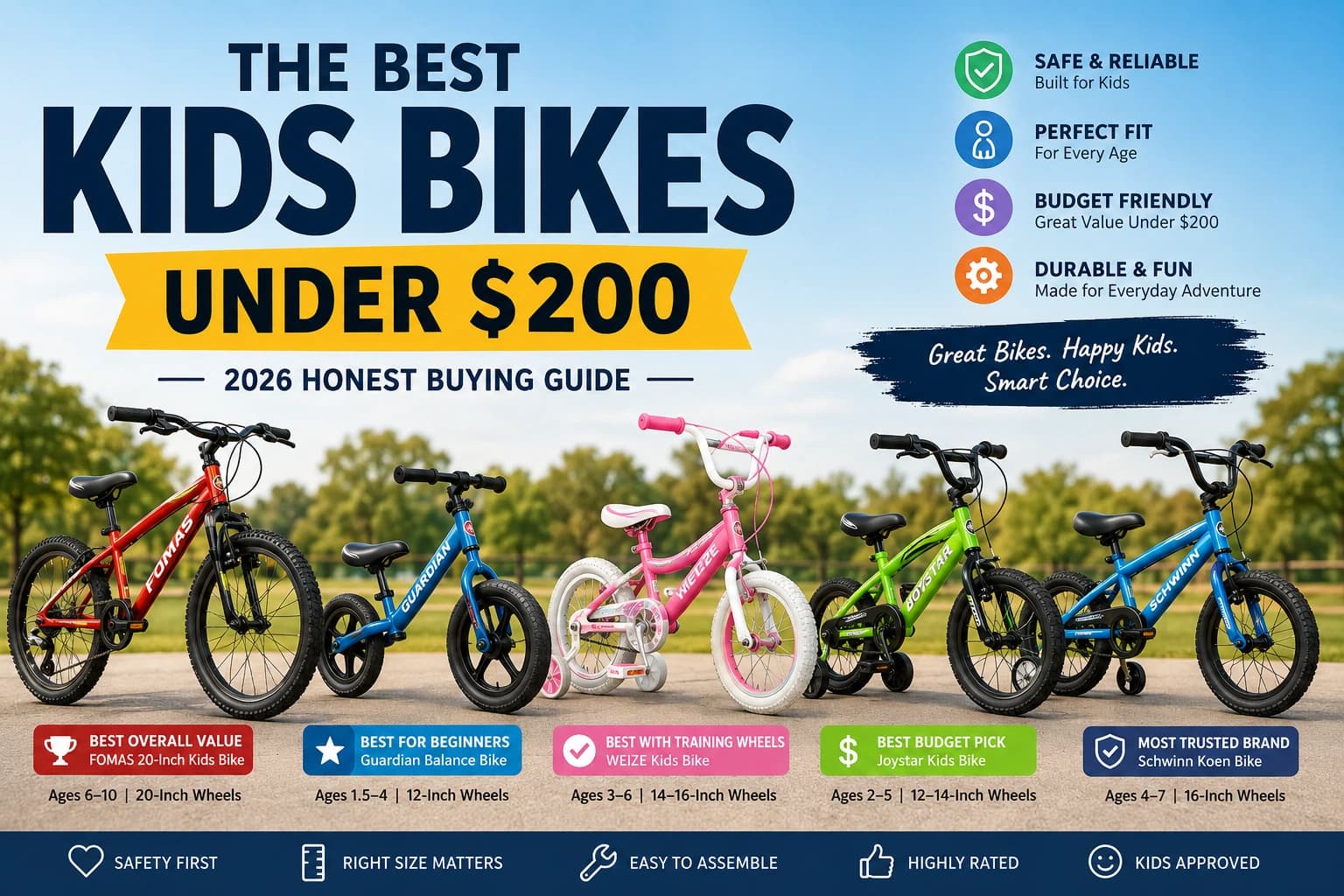
Here are five options from our original list, covering different ages and riding needs.
Best Overall Value: FOMAS 20 Inch Kids Bike
The FOMAS 20-inch kids bike is a practical option for children who are ready for a larger pedal bike. Its steel frame and knobby tires make it suitable for everyday riding, while the single-speed setup keeps things simple.
Key details:
20-inch wheels
Suitable for roughly ages 6–10
High-tensile steel frame
Single-speed design
Coaster and hand brake
Around $120–$150

FOMAS 20 Inch Kids Bike (Red)
Durable high tensile steel frame with 20 inch knobby tires, coaster/hand brake combo and simple single speed drivetrain for everyday riding.
Best for Beginners: Guardian Bikes 12 Balance Bike
For younger children who are still learning balance and control, the Guardian 12 Balance Bike keeps things simple. Its lightweight design and low step-over height can make it easier for a new rider to handle.
Key details:
12-inch wheels
Around ages 1.5–4
About 8.5 lbs
Low step-over design
SureStop braking system
Around $149–$199
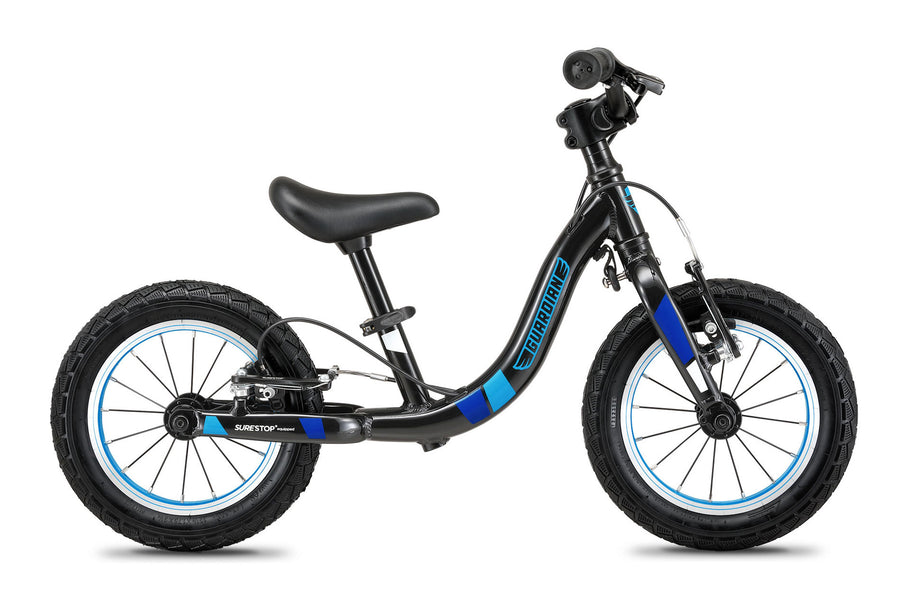
Guardian Bikes 12" Balance Bike
Ultra-lightweight 8.5 lbs balance bike featuring Guardians award-winning SureStop single-lever braking system to prevent flip-overs.
Best Classic Style: Retrospec Beaumont Mini 16
The Retrospec Beaumont Mini 16 is designed for younger children who are ready for a pedal bike. It includes training wheels, a basket, and a bell, giving it a classic look while keeping the setup beginner-friendly.
Key details:
16-inch wheels
Around ages 4–6
Training wheels included
Basket and bell
Coaster and hand brakes
Around $159–$179
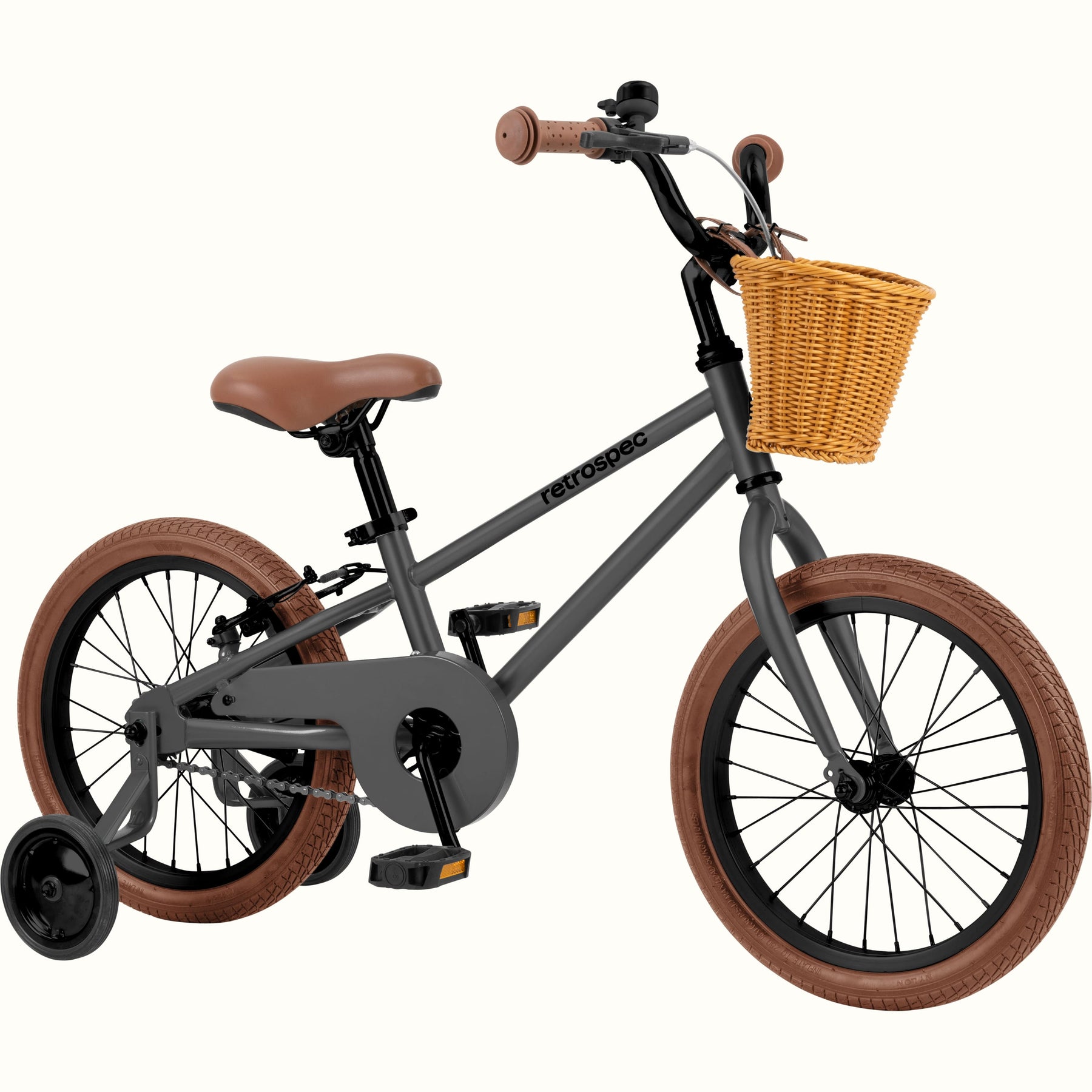
Retrospec Beaumont Mini 16" Kids Bike
Classic vintage-style step-through frame with removable training wheels, coaster brake, front hand brake, bell and woven basket included.
Best Lightweight Option: Puky LR Light Balance Bike
The Puky LR Light is a lightweight balance bike designed for children who are still developing their riding skills. Its aluminum frame and pneumatic tires help keep the overall weight down.
Key details:
12-inch wheels
About 7.9 lbs
Aluminum frame
Pneumatic tires
Rear V-brake
Around $150–$180
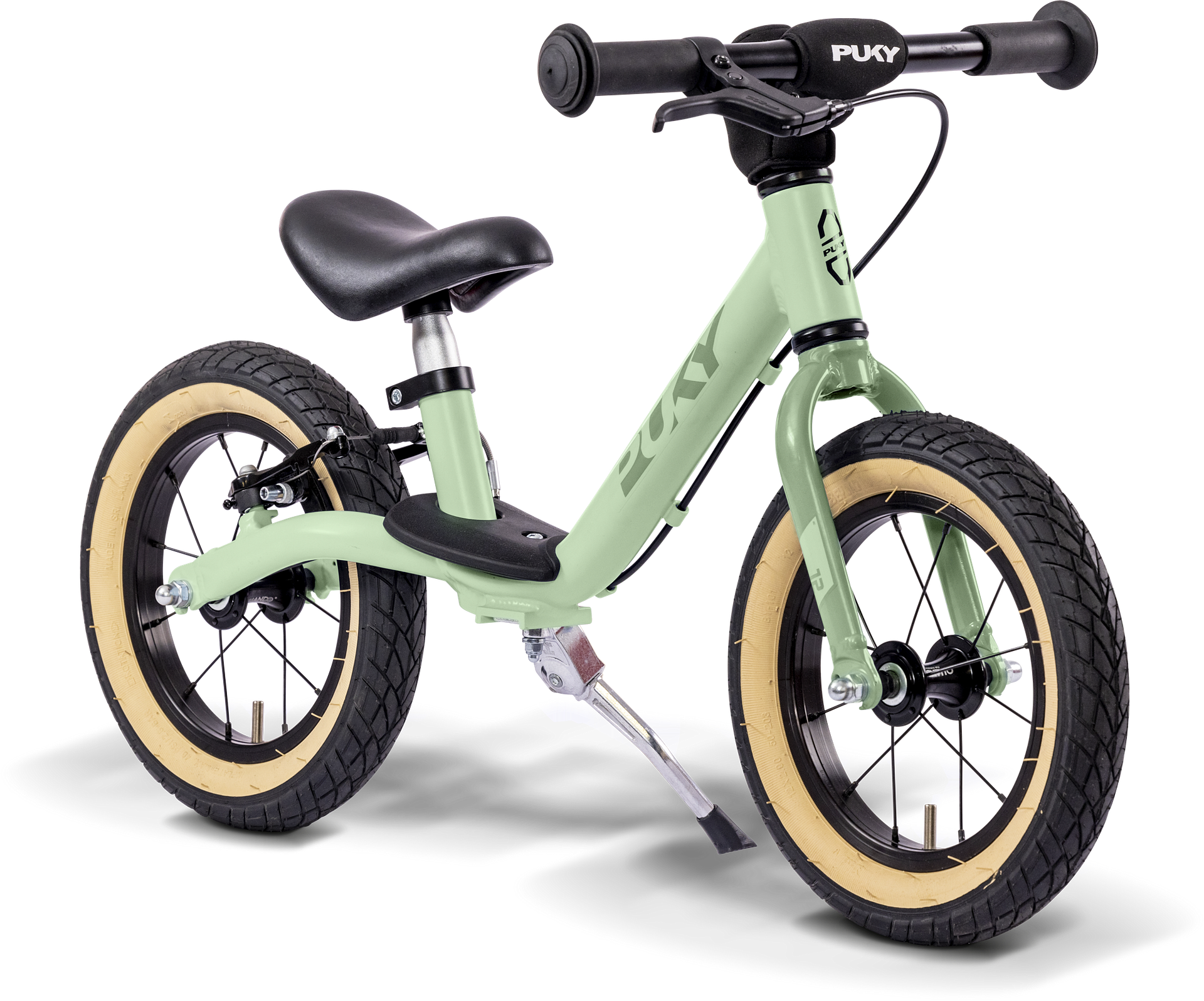
Puky LR Light BR Balance Bike (12")
German-engineered ultra-lightweight aluminum frame (~7.9 lbs) with pneumatic air tires, safety handlebar grips and rear V-brake.
Best for Older Kids and Trail Riding: AVASTA Govet 20
If your child is ready for more than basic neighborhood riding, the AVASTA Govet 20 offers a 6-speed setup and front suspension. It is aimed at older kids who want a bike for mixed surfaces and light trail riding.
Key details:
20-inch wheels
Around ages 6–12
6-speed gearing
Front suspension
All-terrain tires
Front and rear V-brakes
Around $169–$199
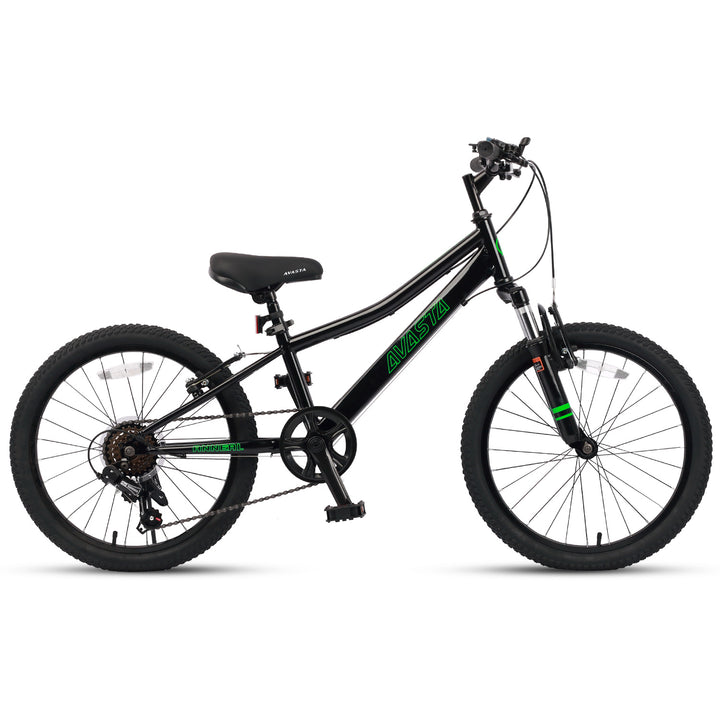
AVASTA Govet 20" Kids Mountain Bike
All-terrain 20-inch kids mountain bike with front suspension fork, 6-speed gear shifter and dual front and rear V-brakes for trail riding.
Quick Comparison
How to Teach a Kid to Ride a Bike
Learning to ride does not have to happen all at once. Keep the first sessions short and focus on balance and control.
Start in a safe, open area away from traffic and steep hills.
Let your child practice balancing and steering before expecting them to pedal confidently.
Teach braking early so they know how to slow down and stop.
Practice short distances and gradually increase the riding time.
Keep the experience positive. Children learn at different speeds, so avoid turning practice into a stressful lesson.
A helmet should also be worn during every riding session.
What Else Should You Budget For?
The bike is not the only cost to consider. A properly fitted helmet is an important part of a child's riding setup.
Depending on where your child rides, you may also want basic accessories such as lights, a bell, reflectors, or a small bike lock. Buying these at the same time can help you stay within your overall budget.
Frequently Asked Questions
Base your decision on height and inseam, not age alone: 12-inch wheels: Height 32″ to 38″ (Ages 1.5–4) 16-inch wheels: Height 38″ to 48″ (Ages 4–6) 20-inch wheels: Height 42″ to 56″ (Ages 6–10)
Yes, absolutely! Safety depends on proper bike sizing, frame structural integrity and working brakes—not price alone. All bikes reviewed on our list meet international safety and testing standards.
Most modern cycling instructors recommend balance bikes for toddlers. Balance bikes teach steering and body equilibrium naturally, allowing kids to bypass training wheels entirely when transitioning to a pedal bike.
Most budget bikes arrive about 85% pre-assembled in the box. Final setup usually takes 20 to 30 minutes using standard household tools (wrenches and Allen keys).